

Pulse is another lean, intense work of fiction by Welsh author Cynan Jones.
This is a collection of short stories deeply rooted in the rural life Jones knows so well — he was born in a traditional farming community in West Wales and worked on the land before becoming a writer.
The world of Pulse is very similar to that depicted in his short novels, The Dry and The Dig, Nature here is raw, indifferent, and frequently dangerous. He captures vividly the risks and dramas of rural life, the sheer slog of farming, the financial hardships and the solitude.
The book contains six stories — “Peregrine”, “Reindeer”, “Cow”, “Stock”, “White Squares”, and “Pulse”. In them his characters find themselves pitted against storms, bears, treacherous cliffs, and the unforgiving rhythms of farm life. They are, more often than not, small and vulnerable against forces they can’t control.
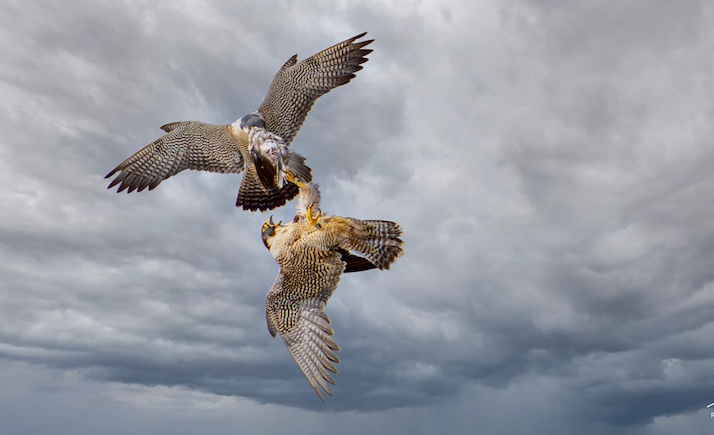
In the opening story , “Peregrine” a man scales a cliff to steal eggs from the nests of peregrine falcons. In the face of a rapacious and illegal act, nature exacts its own form of justice:
And they came off the nest. Then.Off they came, screeched and wheeled. Dark stone, shards animate. Keened and batted into him. Then there was a sudden respite. The falcons raced into the black sky. Headed from the cliff, from the lean man hung there, kekking and crying with grief as if beseeching the world. Not for this to happen. Do not let this happen. Let our children be.
The title story, “Pulse”, closes the book with a father battling a ferocious storm that can bring nearby trees crashing onto his home and family. The physical threat from outside forces is echoed by a threat within the home from a marriage that is running out of steam. It’s a story about the inter-connectivity of man and nature, communities and individuals. Each dependent on the other.
In between those book-end stories we have “Reindeer”, a master-class in slow-burn tension. The narrative follows a hunter as he tracks a bear through the mountains one winter. Gradually he realises the roles of predator and prey are not as fixed as he assumed.
What makes Jones so compelling is his prose. It’s stripped back almost to the bone — short, punchy sentences that somehow carry enormous weight. There’s no fat here, no showing off. But within that economy, there are moments of real beauty, language that is precise and strange and exactly right. Reading him, you feel constantly alert, leaning forward, not quite sure what’s coming.
At 173 pages, Pulse doesn’t take long to read — but it’s worth slowing down just to get the full impact of these stories. Each is told with a compelling immediacy and intensity, leaving you thinking about them long after you finish the book.





We're all friends here. Come and join the conversation