
So many times during the week I come across an interesting article in a newspaper, magazine or on the Web and put it to one side meaning to come back to it ‘when I have more time.’ And then newspaper recycling collection day comes around again, the magazine gets thrown out and that’s the last I’ll see of that piece. Or, when I am in one of my more organised moods, I might remember to cut it out and put on the pile to read. Where it gathers dust and turns yellow. Does that sound familiar to you?
Since I don’t like the idea I’m missing out, I thought I’d start keeping a note of the most interesting items and titbits as I find them. And I thought I’d share them with you on the basis that you may also have missed them.
What piqued my interest this week?
Publishing News
It was April 1 earlier this week in case you hadn’t noticed so I was on the look out for any truly imaginative bookish April Fools jokes. The only thing I came across was something picked up by the Asymptote journal which reported on news from the German publisher PediaPress that they plan to print out all of Wikipedia— bearing in mind this is about four million articles, that doesn’t sounds like a smart thing given all the dire warnings about climate change coming out of the scientist pow wow in Japan this week. So it’s got to be a prank hasn’t it?
For those of you who grew up with Ernest Fowler’s manual on how to write clear and plain English at your side, you’ll be interested to know that a new edition of Plain Words has just been published. It’s 60 years since Fowler’s Complete Plain Words first appeared. It’s gone through a number of revisions since that time – this latest is the work of Fowler’s great-granddaughter Rebecca. The Daily Telegraph marked the occasion with an article looking at the origins of Fowler’s book and asking whether his war against jargon was a lost battle.
Access to Books
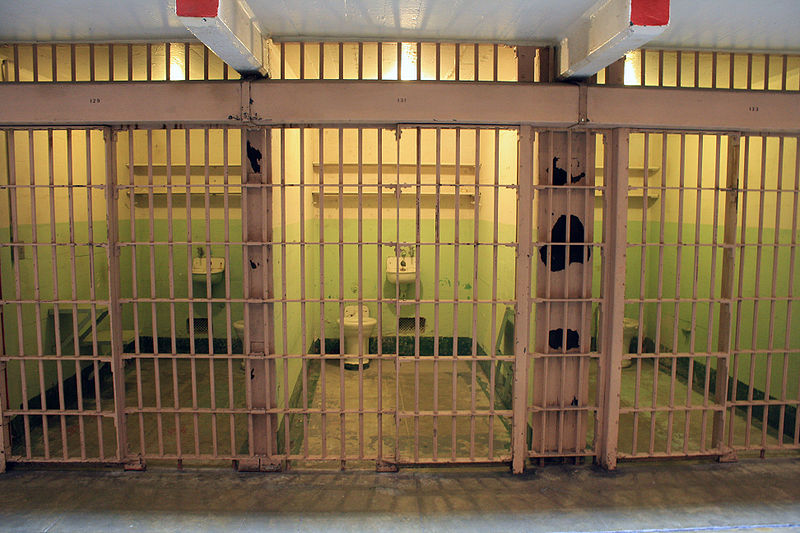
Something that completely escaped my attention but came to light this week, was the decision by the UK Government to prohibit prisoners from receiving books as gifts. This apparently is meant to address public perceptions that prisoners have it easy in jail – so prohibitions on gifts of books, wire guitar strings and new underwear are no longer to be tolerated. Prisoners can still get books from the prison library of course, or can buy them using wages from working in the laundry for example, but it’s goodbye to books as birthday or Christmas gifts or even as an occasional treat. The only reason I heard of this was because many authors and actors took to the streets of London to protest. Regardless of the fact people are in prison because they offended society’s rules, I’m appalled to think reading is considered a treat and not a basic human right.
You can add your voice to the debate by signing an on line petition
A bookseller’s tale
How many avid readers dream of owning their own bookshop? It sounds idyllic doesn’t it? What could be more fun than basing your shop in a quaint rose clad cottage or bay fronted Victorian building? Sarah Henshaw thought she had the perfect idea – convert a barge into a bookshop to travel the waterways of central England. Problem was, she had no experience of running a business of any kind and never got past the second paragraph of a manual on how to run a bookshop. Not surprisingly, the business ran into difficulties and even a letter to Amazon’s founder Jeff Bezos asking for help didn’t help. She began swapping books for food, laundry and a bed for the night. Now she’s written a book about her experience (the barge business is still afloat though only on weekends and during holiday periods). The Bookshop That Floated Away by Sarah Henshaw is published by Constable & Robinson in UK. You can read part of her story in this article
That’s it for this week.
Let me know what you think of this idea
And don’t forget to tell us about snippets of news that attracted your attention this week but we might have also missed.



We're all friends here. Come and join the conversation