
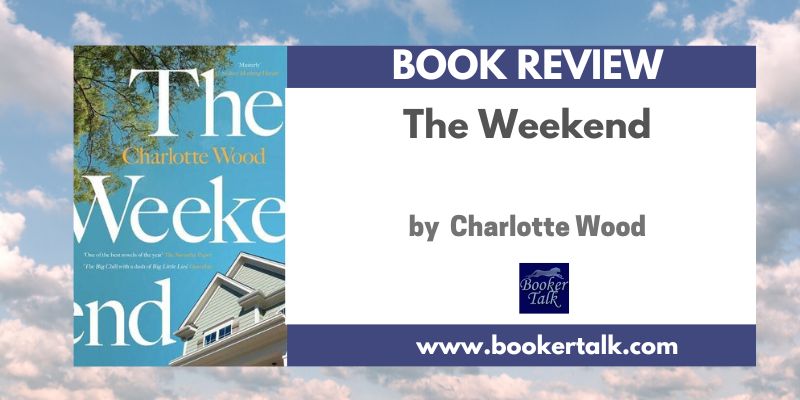
The Weekend is a superb study of friendship and the ties that bind us even when we are not sure if we like each other or can stand to be in each others company.
It’s almost Christmas when three women, who have been friends for more than 30 years, travel to the coastal home of another friend, Sylvia. They are there to clear out the beach house after Sylvia’s sudden death so that it can be sold.

They were once leaders in their chosen professions — Jude as a chef and restaurateur; Adele as a stage and screen actress and Wendy as a writer and academic. But that was then, and now their glory years have faded leaving them disgruntled and uncertain.
Jude lives only for the times she can spend with her long-term lover Daniel when he’s not with his wife and family. Wendy mourns the loss of her husband, transferring all her love to an aged, semi-blind and deaf dog. Adele, the third member of this trio, faces the most precarious of futures; penniless because the work has dried up and homeless having just been kicked out by her partner.
The women’s fears and concerns materialise in grievances, fraying tempers and barbed comments as they sift through Sylvie’s stuff. Amid a Christmas Eve storm, long-buried truths are revealed which threaten to bring their friendship to a messy end. The question hanging over the whole novel is whether the women’s friendship can survive without Sylvie. She was the glue that held them together, the one to whom they all turned whenever they hit a crisis in their lives.
Fears for the future
As we watch these women spend the weekend clearing out the past, we see how they consider their futures. They are less afraid of death itself than of the years preceding that event, years when they fear that all their experience and talents will count for nothing because they will no longer be seen as relevant.
Nobody wants you when you’re old. You have to shore things up before this point. You have to face up to the future, to the worst possibilities, you have to prepare yourself. Anticipate, adapt, accept.
Outwardly Adele radiates glamour and sophistication but this is a manufactured persona that hides her fear she will never again work on the stage or in front of the camera. She can’t even get a part in an advertising campaign. What if she ends up like the elderly homeless people featured in a recent tv programme, forced to sleep in their cars because they had no-where else to go (Adele doesn’t even own a car in which to shelter).
Wendy at least does at least have work to occupy her time though the book she is writing is taking a long time to get off the ground. But she finds widowhood desperately lonely, she barely sees her children (maybe that’s no bad thing since her daughter is a nasty piece of work) so turns to her dog Finn for comfort. She knows he’s on his last lags and in pain but she can’t bring herself to bring about his end because she’s not sure she can cope without him.
As for Jude, she might appear to be the strongest and the most practical of the trio, but in between furious bouts of cleaning her mind is churning over the lack of contact from her long-term lover. Daniel is with his family for Christmas, but it’s not like him to ignore her text messages.
The Weekend offers us sharply observed portraits of these women with all their imperfections and anxieties.
Perspectives on older age
It’s so rare to read a novel where the lead characters are in their 70s. When you do come across them they are either a) suffering with dementia or another debilitating medical condition or b) feisty characters in the mode of Richard Osman. Hardly ever do we get older people portrayed in such an honest and sympathetic way as we do in this novel. Nor is it often we encounter a commentary on the negative and predictable ways in which older people are viewed and presented.
Here are just a few examples that resonated with me:
“People thought that when you got old, you wanted your lost youth, or lost love, or men, or sex. But really you wanted work and you wanted money.”
“People went on and on about falls, as if you went down and never got up again. As if one small slip and that was it, broken hips and nursing homes, begging your daughter to dig up your suicide pills from the backyard.”
“At Adele’s gym, the young women smiled in a politely bore way when the middle-aged ones marvelled at her fitness. She was flexible, could touch her toes. Adele looked great. Adele’s little bottom eat in Lululemon tights, her famous breasts still famous. She was their pet.”
And my favourite of all, the one that reminds me of all the obnoxious TV ads from cruise companies. And don’t even get me started on the ads pushing stair lifts, care homes and funeral planning.
“Older women were allowed in advertising now but only if they were forty year olds with silver hair, and only if the hair was like Adele’s, thick, extravagantly long and loosely piled up as if the women had just emerged from an afternoon of lovemaking with a tanned, muscular white man whose own silver hairs was as short as hers was long.”
The Weekend is a terrific novel, it could well be my book of the year.




We're all friends here. Come and join the conversation