

A moral conflict lies at the heart of The Undertaking, Audrey Magee’s bold debut novel set during World War 2.
Peter Faber is a German soldier fighting on the Russian Front who marries a woman he’s never met. The ceremony is conducted by an army chaplain using a photograph as a proxy for the bride.
It’s a marriage of convenience from which both parties benefit. Peter gets honeymoon leave in Berlin which gives a welcome respite from fighting. Katharina Spinell, his new wife, gets the security of a widow’s pension should he die on active service.
Their first encounter doesn’t augar well — he smells so rank that Katharina has to put her hand over her nose and mouth, and almost gags during his kiss — but passion ensues. By the time his leave is over, they’ve fallen in love. They pledge (this is The Undertaking referenced in the title) to endure the war, whatever challenges it throws their way, so they can be re-united when it’s over.
From this point the narrative relates the many hardships faced by this couple.
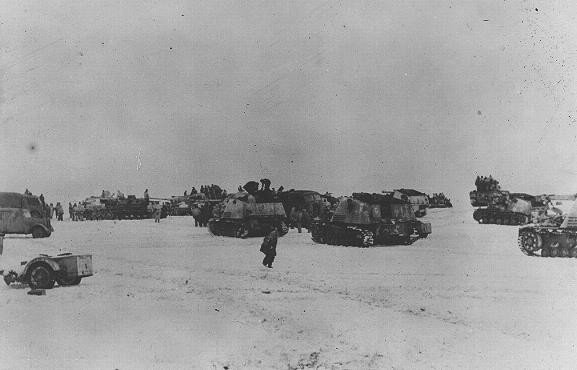
Peter rejoins his comrades as they press on towards Stalingrad, trudging every day across a bleak, wintry landscape. There’s so little food or warmth that they pillage properties found along the route, throwing people out of their homes so they can shelter and eat. It is only his memories of Katharina and his dreams of a life together in the future, that keep him going.
He has little loyalty to the Fuhrer or his military leaders who’d promised that the war would be over quickly. Now they’ve been abandoned on the frozen steppes of Russia; “No supplies. No men. No food. It’s as though they’re not interested. They don’t care’”. His only loyalty is to his comrades, to his wife and their young son.
The man on Faber’s right fell forward, blood gushing from the back of his head. Faber stopped, registered the direction of the bullet, and ran, forcing the stiffness from his limbs as he fled east, tears streaming down his face. He wanted soup. That was all. And to see his son. To hold his wife. He ran faster, away from them, towards the laughing Russians banging spoons against metal bowls, cheering him on. He laughed too and reached his arms higher into the air, smiling in response to their smiles as he approached a large, black cooking pot.
Back in Berlin, Katherina’s life takes a turn for the better thanks to her father’s connection with a powerful Nazi. Doctor Weinart regularly turns up at the Spinelli family apartment, bearing luxuries — on one occasion he proffers a chocolate cream cake concocted “by one of the Fuehrer’s bakers.” Other gifts follow — a splendid three bedroom flat, jewellery, clothes and food.
It all comes crashing down when the tide of the war turns and Berlin falls. The Spinelli family, cut adrift by their influential friends, are reduced to living in one unheated room and eating meat that might or might not be from a rat. As the Russians arrive, they all cower in a cellar listening to the crashing boots and drunken revelries of the invaders but it’s Katherine who pays the heaviest price.
The soldiers staggered, laughing, looking first at Mrs Sachs, then at Katharina; their beams focussed on her as she pressed into her mother. Mrs Spinell moved away from her daughter. Katharina leaned towards her father. He moved away too. The soldiers shouted at her and gestured with their torches towards the door. She was still. One of them hit her across the head with his torch, the beam careering across the room. She looked at her mother, at her father. They looked at their feet. She held onto her father’s sleeve but he jutted his chin towards the door.
Are we meant to feel sorry for Peter and Katherina? Yes and no.
Yes because in different ways they are each sacrificial victims. Katherina to her parents’ craving for prestige and ultimately their burning need to survive. Peter as cannon fodder in a grandiose plan to conquer the world.
No because this pair are not merely victims but also perpetrators of odious and reprehensible injustices towards other people. During his honeymoon, Peter goes out at night with his new father-in-law to smash down the doors of Jewish homes and help load them onto waiting trucks. His anger mounts, not because his conscience is pricked by the cries of the women and children he beats, but because they stand in the way of his warm marital bed.
Katherina becomes the direct beneficiary of all those forced evacuations. The new flat she occupies was once the home of deported Jews. She sleeps in their starched linen sheets, eats from their crockery and wears their clothes. She can’t claim she doesn’t know the origin of these new luxuries since her father makes no secret about the identity of the former owners. But this doesn’t seem to matter — she and her mother “deserve” their new clothes and any Jewish “stain” can easily be washed away.
Magee doesn’t push the moral message at her readers with long expositions — most of the narrative in fact takes the form of dialogue. Essentially Magee just lets her characters condemn themselves. By the end of the novel there’s no strong indication they feel guilt for their previous actions yet they have been changed by their experience. The future to which they had pledged themselves no longer exists. Now they have to build a new future.






We're all friends here. Come and join the conversation