

The Safekeep was one of the more interesting sounding novels shortlisted for the 2024 Booker Prize. The debut novel of Dutch author Yael van der Wouden promised a tale about an aspect of World War 2 that seldom gets touched on in fiction — what happened to all the homes and goods of families who were sent to concentration camps, never to return?
Yael van der Wouden exposes the callousness of people in Netherlands towards the fate of their Jewish neighbours. All the houses left abandoned when their Jewish occupants were forcibly removed, were simply taken over by other local families, along with all their furniture. For years, these new “owners” kept up a pretence that these properties were simply “gifts” or legitimately acquired.
“If they cared about it, they would have come back for it,” says one character about a Jewish family who lost their home. Another justifies their acquisition by placing the blame on the original owners of the property:
“Yes a family lived there. But they left. They did not pay their mortgage, the did not pay their taxes. This happens, it happens every day, people make commitments they cannot keep, people pack up and leave and they don’t take — their plates and their spoons. It happens every day. There is nothing untoward here.”
How can you pay taxes and mortgages when you are fighting for your life in a concentration camp? How can you return to claim your home if you’ve been killed? The glib way in which these new occupants justify their actions is shocking. I wonder whether they really did believe they were justified or that they hide their guilt by repeating such statements over and over, trying to convince themselves they were right.
These issues come to the forefront in the third and final section of The Safekeep, played out in the story of one woman, the sole occupant of a large house in the rural Dutch province of Overijssel.
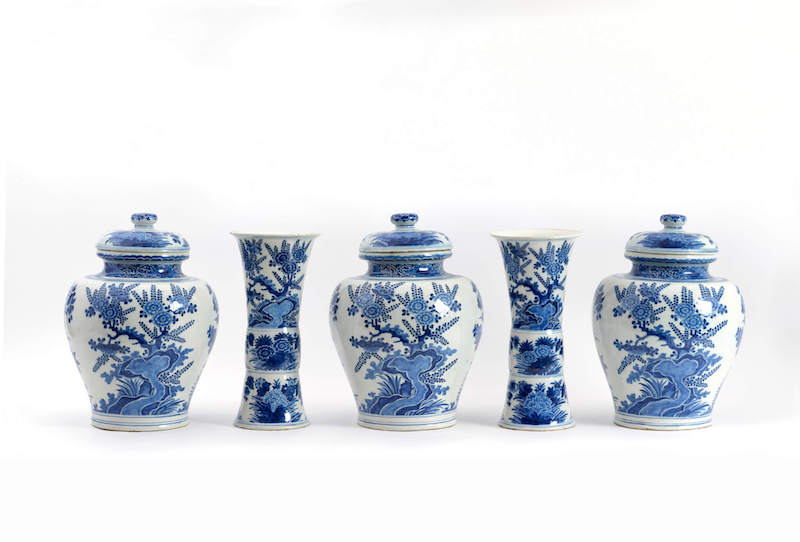
Isabel’s parents moved to this house with their three children to escape the bombs that rained down on Amsterdam. Now, 15 years after the war ended, only Isabel remains at the property, keeping the family legacy intact by obsessively cleaning the dinner plates and other objects once cherished by her mother.
Everything in this house must be preserved just the way it was when her mother was alive. It means Isabel must always be on her guard, particularly where her maid is concerned for she suspects the young girl is pocketing some of the spoons.
The arrival of her brother’s new girlfriend marks a turning point in Isabel’s life. Eva is everything Isabel is not; full of vigour and flamboyant in dress and manner. Isabel resents everything about this newcomer, the way she just keeps asking questions about her family and touching all the vases and dishes. Just a few hours in her presence is enough of an ordeal but then Louis throws a bombshell — Eva will be staying in the house for a few weeks while he swans off to work overseas.
The tension between these two women is beautifully handled. Unfortunately Yael van der Wouden goes and spoils it all with that all too familiar plot development which has hate turning into love. So in the middle section we get Isabel’s awakening into joy and passion. A few pages would have been sufficient to show the intensity of their love but instead we get page after page of sex. It’s all really unnecessary and boring, spoiling what was otherwise a powerful and intriguing novel.
As a debut novel, there is so much to appreciate about The Safekeep. Yael van der Wouden captures so well the emptiness of Isabel’s life and the terrible loneliness from which she suffers. I enjoyed too, the way that a historical injustice is made very personal through the example of one family. It would have been an even better book however with less groaning and heavy breathing.



We're all friends here. Come and join the conversation