

The Remarkable Journey of Miss Tranby Quirke is a surprisingly powerful and insightful novel that reflects social attitudes towards marriage and homosexuality in Britain at the turn of the century.
The Tranby Quirke who tells her story is a woman who always believed she was destined for an adventurous life. But at the age of 34, she hasn’t yet managed to break free from her mundane existence except in her imagined voyages of exploration.
She spends her days at a private academy, teaching the young wives of middle class businessmen how to be healthy mothers, excellent hostesses and supportive partners. Tranby would really prefer to be sharing her passion for science, classics and exploration but instead she’s confined to a curriculum of domestic science, health, hygiene and popular thought for modern women.
Her students know nothing of her secret life. The one where she is involved with the Suffragette movement and is drawn sexually to women. She is a lonely woman who has known love only once, with a brief relationship as a teenager. Since then she’s denied herself any real human connection and tries to make herself invisible beneath drab clothing. Until 19-year-old Lysette McDonald appears in her class, that’s how Tranby imagines her life will continue.
As love blossoms between this unlikely pair, Tranby Quirke sees that she can at last embark upon a truly remarkable journey.
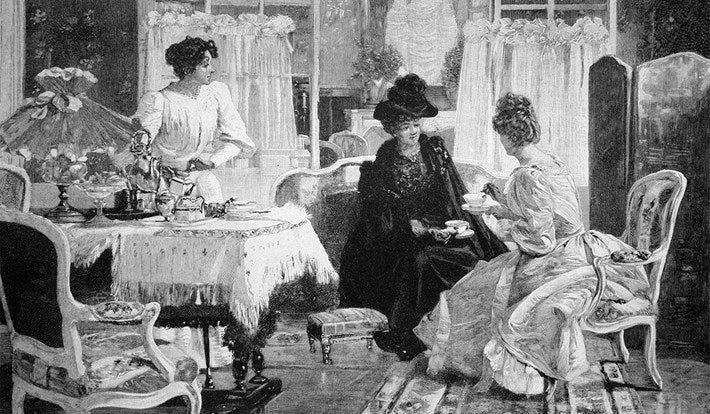
Although The Remarkable Journey of Miss Tranby Quirke explores the secrets of just one woman, Elizabeth Ridley’s tale makes us think about an entire generation of women. She reflects society in the first decade of the twentieth century, a time when men held all the power and the women existed just to support their needs and to bear children.
Lysette has failed in the second requirement — after 18 months of marriage, she’s still not pregnant. There’s nothing physically amiss (her husband carts her of to the doctor to make sure of that) so he concludes it’s her wilful nature that is to blame. He decides it’s time to bring her in line so he resorts to increasingly harsh punishments. He removes her from the academy, bans her from reading books, is physically violent and threatens to lock in her her room.
He blamed her for not getting pregnant, believed her body was at fault. By marrying Lysette he had purchased the right to the plot between her legs, and he was determined to stake his claim. He would not let that land rest or heal, he would pummel that patch, assault it, strike it, rake it, dig deeper trenches in it until the land itself was barren, and all the earth had been worked into dirt.
In Tranby Quirke she finds a welcome respite from the pressure cooker of her marriage. Since this is 1909, there’s no possibility the two women can ever enjoy an open relationship so they come up with a plan to hide their true nature. The ending of the book however leaves it uncertain whether they can achieve happiness.
This is a novel of raw emotion from start to finish.






We’re all friends here. Come and join the conversation