
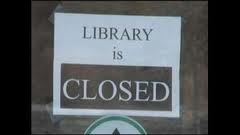
 I was hoping this year wouldn’t turn out to be another black one for the public library service in the UK but the signs are not looking good.
In the last few days the BBC has reported that two local libraries in North Wales are threatened with closure unless public-minded citizens step forward with funding before April. In mid Wales another library may be saved if a deal can be reached whereby it is run by community volunteers. And here in South Wales a ‘strategic review’ is underway. It’s meant apparently to help determine the future direction of this service but in the opinion of many local citizens, that really means one thing — opening hours will be reduced and some branches may close. Replacing them with a mobile van that gets to your neighbourhood once a month doesn’t give anywhere near the same experience as popping into your warm, friendly local library whenever you feel like.)
What’s happening in Wales is happening elsewhere across the UK. According to the Library Campaign, the number of libraries has fallen by almost a quarter since 2009. They predict the trend will continue with the closure of a further 400 branches by 2016 with services in rural and deprived urban areas most at risk.
How serious things will be this year we will find out over the next few weeks. Local politicians up and down the UK are currently wrestling with the annual challenge of setting their budgets and trying to get them finalised by the end of February. As always, those discussions involve tough decisions since there’s never enough money for everything that politicians, administrators and Joe Public believe needs to be funded. Do they put your money into improving schools or improving transport so people find work more easily? Do they recruit more social workers to care and protect vulnerable people or more environmental health officers to prevent pollution and waste? Difficult choices to face when you know the consequences of your decisions will materially impact people’s lives.
Which is one reason why libraries, along with museums, theatres and art centers are relatively easy targets. Closing a facility of that nature reduces quality of life but it doesn’t put people at risk or cause them pain and suffering. That doesn’t mean local councils in the UK can do whatever they want with libraries; they actually have a legal duty under the Public Libraries & Museums Act of 1964 to provide a “comprehensive and efficient library service for all persons in the area that want to make use of it.”
The meaning of those words is open to interpretation — efficiency you can measure but what I think constitutes comprehensive might be different to your version. It clearly doesn’t extend to saying that every town or every village should have a library or that the building should be open 7 days a week. Does it mean each householder has the right to a library within a specific distance from their home? Or that there should be one library per x thousand of residents. The act doesn’t provide the library service with immunity from closure — the council simply has to demonstrate they conducted a full evaluation of the impact and held public consultation before reaching a decision. There was in fact a landmark ruling last year when the High Court found in favour of local citizens because Gloucester and Somerset councils didn’t do enough in the judge’s opinion to consider the disproportionately severe impact their closure plans would have on the poor, elderly and disabled.
So to some extent, you can see how politicians are caught between the rock and the hard place. They have to find a solution but cutting their way through the problem isn’t the answer. In my area, the nature of the questions asked in the public consultation suggested the idea is to make libraries more of a cash-generation service rather than a cash-draining venture.
Not one question asked about opening hours. Not one question about selection and range of books/DVDs etc. Not one question about the ease of finding or selecting books or of booking computers for homework, course work or finding a job.
Instead many of the questions asked about changing services currently provided free, into ones for which fees would be charged. Or introducing new services but with a fee. And some ideas about ‘services’ which have absolutely nothing to do with a library.
So I was asked would I use the library more if:
- it sold postage stamps
- it included a cafe
- it offered a home delivery service for reserved books
- it provided tourist information
- it sold souvenirs and local craft products
I can see the attractiveness of an on-site cafe not only as a place readers can socialise but maybe as a place to host reading clubs or other related activities. But it could only be achieved by taking up space currently used for other activities like the children’s library or the magazine reading area which is much frequented. Hence you reduce the overall value of the service provided and remove part of the reason people go to the library in the first place.
Even more of a cause for concern is that this type of venture will bring a public service directly into competition with local businesses. There are at least five coffee shops and cafes within a 5 minute walk of the County Library plus another three that sell postage stamps (not including the actual Post Office). At a time when small businesses are struggling to keep their heads above water, is it really such a good idea for a public-funded body to go into competition with them?
What our public library service deserves is some fresh thinking rather than half baked notions like these. You’d have thought with the wealth of business talent upon which the UK Government can draw, they could find someone who can provide a Big Idea that would both save our library system for future generations at a sustainable cost.
Any ideas for who this saviour might be?



We're all friends here. Come and join the conversation