
 If there are two words guaranteed to divide the world of authors, publishers and academics, they would be Literary Fiction.
The orthodox view is that literary fiction is the very highest level of artistic merit; the kind of writing that all authors really aspire to achieve. It’s meant to distinguish the truly great from the mere readable or popular kinds of books (remember the fuss over the Booker Prize in 2011 when the judges said they based their selection on readability).
Some critics in North America set the feathers flying a few years ago by daring to suggest that the idea of literary fiction had run its course, that it had become just another genre, like humour, crime or adventure. Not so said the New York Review of Books last year – it was time that literary fiction be recognised as a genre of its own said editor Sue Halpern.
What is ‘literary fiction’? Generally it’s taken to denote a serious-minded novel of high artistic integrity in which style is more important than the actual content (maybe Will Self’s Umbrella falls into that category?); slow and thoughtful in pace allowing the characters’ inner lives and motivations become the focus. To many people that just means ‘highbrow’, maybe even ‘pretentious’ or ‘difficult’ and ‘unreadable’. But for others it means the kind of book that makes it to the short list for the Booker Prize or the work of authors who win the Nobel Prize for Literature.
Who are these shining lights? Contemporary candidates from the West could include Michael Ondaatje, Iris Murdoch or Barry Unsworth plus many of the Booker prize winners. They’re all formidable writers and superb storytellers.
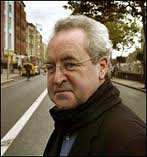 As of this week I am going to add another name to the list: John Banville, winner of the 2005 Booker Prize with The Sea. It’s a wonderfully lyrical narrative about a widower who returns to the location of his childhood holidays where one summer, many many years earlier something happened ( we don’t get to find out until about 10 pages from the end). It’s so good that the minute I finished it, I wanted to start all over again.





We’re all friends here. Come and join the conversation