

Every book by Colm Tóbin I’ve read to date has had a female central character. The novella A Long Winter demonstrates without question that he can write from a male perspective just as powerfully.
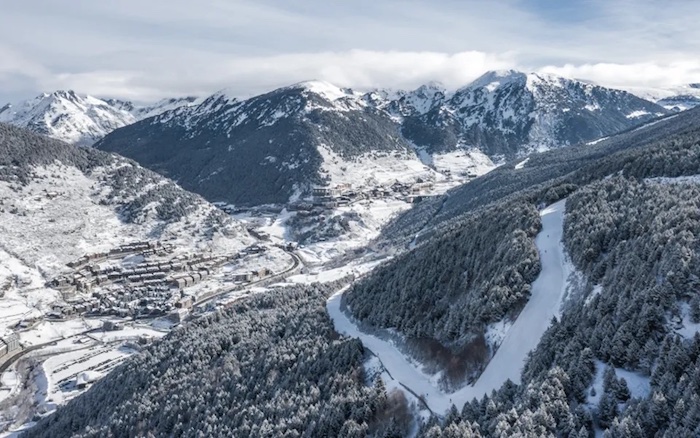
This is a story about loss and survival told from the perspective of Miquel, a young man in his early twenties. One morning in the depths of winter, his mother goes missing from their home high in the Pyrenees. She’d left in the aftermath of an argument when her husband destroyed her secret supplies of alcohol.
Initial searches reveal only that she’d last been seen walking along a pass out from the nearest village towards her old family home. She never arrived.
As snow falls, covering all roads and obliterating landmarks and tracks, fears grow that she’s perished out on the mountains.
With his younger brother away from home on military service, Miquel and his father falter emotionally and practically. Day after day the same questions bubble through their minds, though are never spoken. Will she ever return? Or will her body be discovered when the snow and ice melt?
Neither of them could cook. His father refused to try but did not stop complaining about the monotony of the food. Too many eggs, he said. Too much cold ham. Miquel tried to cook rice but it came out grainy and hard … the potatoes he boiled seemed to dissolve in the water. … When he tried to cook lentils his father tipped the plate, full of hot food, into the bucket where food for the hens was kept.
Life improves when Manola, an orphaned servant boy from the next village, arrives to cook and clean while Miquel and his father tend to the farm. His arrival marks the beginning of a turning point in Manola’s life. Beneath the surface and amid the silences, emotions run high.
The story ends with exactly the kind of unresolved ending I love. We sense that the love Miquel feels for his mother is, her absence, transferred elsewhere. There’s a glimmer that another kind of life could beckon but it’s by no means certain that this will happen.
A Long Winter is a wonderfully understated novella. There is no wasted dialogue and Tóibín’s use of the landscape and wintry conditions gives the narrative a beautiful melancholic atmosphere.




We’re all friends here. Come and join the conversation